Posted in Desserts on April 30, 2026
“Little treat” culture is having a sizable impact on consumers’ eating habits and opening up sweet opportunities for dessert and snack operators.
Born on social media and embraced by young, digital-native consumers, “little treats” have grown from viral memes into mainstream must-haves.
Nearly 40% of consumers say they’re familiar with the term “little treat,” with awareness highest among Gen Z and Millennials, highlighting how quickly the idea has traveled from social media into everyday food and beverage habits.1
Centered on small, affordable pick-me-ups like a cookie after a long meeting, a mini dessert with coffee, or a specialty drink on the way home, the trend reframes snacking as a way to add comfort, motivation and small moments of joy to the day.
“At its core, little treat culture is just emotionally-driven snacking repackaged in pop culture terms,” reports Datassential.1 “But beneath the playful tone lies a more resonant message: in 2025, food and drink have become powerful tools through which consumers navigate the demands of modern life, find joy, and reclaim small moments of control.”
Culinary Creativity Meets Operational Efficiency
For dessert and snack operators, little treats can be both margin friendly and easy to prepare. Their smaller portions typically carry strong perceived value while keeping ingredient costs low, allowing operators to maintain healthy margins even at accessible price points.
Because many little treats rely on modular components like sauces, toppings, bases or mix-ins, they can often be assembled from ingredients already in the kitchen, minimizing labor and complexity. Trusted brand ingredients with beloved flavor profiles can boost their appeal for consumers and provide name recognition.
By focusing menu innovation on multisensory experiences and smaller, shareable formats, dessert and snack operators can align with Gen Z’s preference for frequent bites in compact portions that still deliver bold flavor and personality. These formats hit the sweet spot between culinary creativity and operational efficiency. They enable menus to evolve and meet consumer demand without adding labor or production complexity.
How Sweet (and Savory!) It Is
For dessert and snack operators, consumer preferences clearly point toward sweet items like chocolate, cookies and baked goods as the primary driver of treat occasions, while on the beverage side, milkshakes, sodas and coffee drinks (hot, iced or specialty) lead the category.1
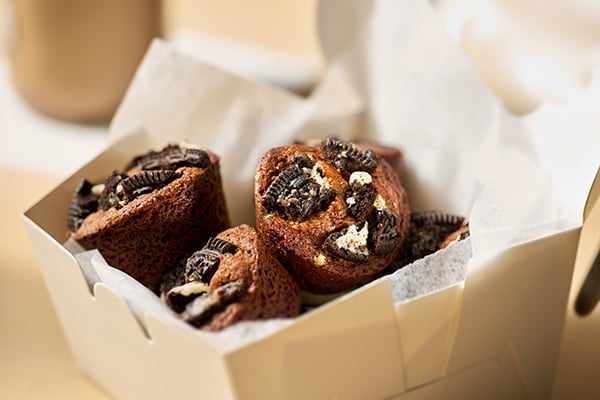
Menu snackable treats that pack big flavor into small formats, like Brownie Bites made with OREO Cookie Pieces and Cookies ‘n’ Creme Hand Pies made with OREO Cookie Pieces. Drinkable delights include a Peanut Butterscotch Milkshake made with NUTTER BUTTER Cookies and a Cappuccino Cookie Milkshake made with OREO Cookie Pieces.
While 37% of consumers prefer sweet options compared with 21% who favor savory, nearly half of consumers say they enjoy both, suggesting operators should prioritize sweet offerings while still leaving room for variety across both sweet and savory formats.1
BBQ Pork Mac & Cheese Bites made with RITZ Crackers and Chicken Pot Pie Bites made with RITZ Crushed Crackers combine snackable and shareable options that are sure to satisfy customers’ hankering for savory treats.
When supported by proactive supplier partnerships that provide versatile, ready-to-use formats and scalable ingredients, “little treats” become easy to execute while still allowing operators to refresh menus, introduce limited-time items and drive repeat visits.
Appealing to Gen Z Budgets and Taste Buds
Even while trying to improve their financial health, Gen Z finds ways to reward themselves frequently: 57% buy themselves a small treat at least once a week, according to a Bank of America report.2 Little treats can be a budget-friendly way to reward themselves.
Nearly 60% of consumers say they actively budget for little treats, and over a third plan for them while grocery shopping.1 Many are willing to cut back elsewhere to keep these affordable delights in their lives.1 Though small, they offer meaningful emotional returns, which makes them easier to justify than larger purchases, particularly under challenging economic conditions.
At the same time, snacking has taken on a deeper emotional role: “Having a snack” ranks as the second most popular form of self-care, ahead of activities like watching TV, scrolling social media, retail therapy and treatments like manicures and massages.
Given that small food and beverage moments now help consumers navigate the stress and hectic pace of daily life, it’s time for dessert and snack operators to step up to the plate and ensure their menus reflect the big demand for little treats.
Ready to snack on more bites of insight? Be sure to download the 2026 Away-From-Home Trends Guide. For more recipe ideas and other food for thought, visit our Culinary Center and sign up for our emails.
- Datassential, Hotshot Report: Little Treat Culture, September 2025
- Bank of America, Confronted With Higher Living Costs, 72% of Young Adults Take Action to Improve Their Financial Health, Finds BofA Better Money Habits Study, July 30, 2025